
Whoa!
I installed a new browser wallet this week to test its UX and safety flows. My first impression was a little messy and oddly fast at once. It popped open, asked for permissions, and I paused because that felt off. Somethin’ felt off about giving broad access immediately while still not understanding the stealthy features, honestly.
Seriously?
I’m biased, but I like wallets that ask fewer scary permissions up front and make each approval explicit. Rabby’s flows looked careful without being overbearing, which surprised me during the first runs. Initially I thought it would be just another MetaMask clone trying to be helpful. Actually, wait—let me rephrase that: on one hand it mimics familiar patterns so onboarding is easy, though actually the team added subtle UX choices that minimize dangerous clicks and reduce approval fatigue.
Hmm…
Security matters, obviously, and I focus on permission models more than shiny features. Rabby offers an approvals-based workflow you can audit step by step in settings. That improves clarity when dapps want token approvals or contract interactions. On the other hand, digging into transaction details still requires patience and a basic grasp of gas, contract calls, and ERC-20 nuances, so that safety net only works if you learn to read the prompts.
Here’s the thing.
The team focused on practical integrations like segmented permissions and gas estimation improvements. It also connects reliably to Ledger and other hardware devices without wrestling with drivers. I used it with multiple chains and it kept the same predictable behavior each time. My instinct said trust cautiously — but then after repeated tests I started trusting its heuristics more than my initial gut because it prevented several accidental approvals that would have otherwise drained balances.
Wow!
Performance matters in daily DeFi moves, and delays cost you front-running exposure and slippage. Rabby felt snappy; network switching was quick and confirmations appeared timely. I’ll be honest, that part surprised me because many extensions lag when multiple accounts load. There are tradeoffs—some advanced privacy features could be deeper, and power users might miss granular nonce controls—but for most users the balance between safety, usability, and speed hits a pragmatic sweet spot that I appreciate.
I’m not 100% sure, but…
Oh, and by the way, the UI has little tooltips that explain complex things simply. Those microcopy bits reduce costly mistakes, like accidentally approving infinite allowances. I tested token approvals to see whether the wallet clearly showed allowance scopes. If you’re new to DeFi this kind of clarity is more valuable than bells and whistles, because bad approvals are silent and irreversible until you act — and sometimes even then it’s too late.
Try it thoughtfully
Really?
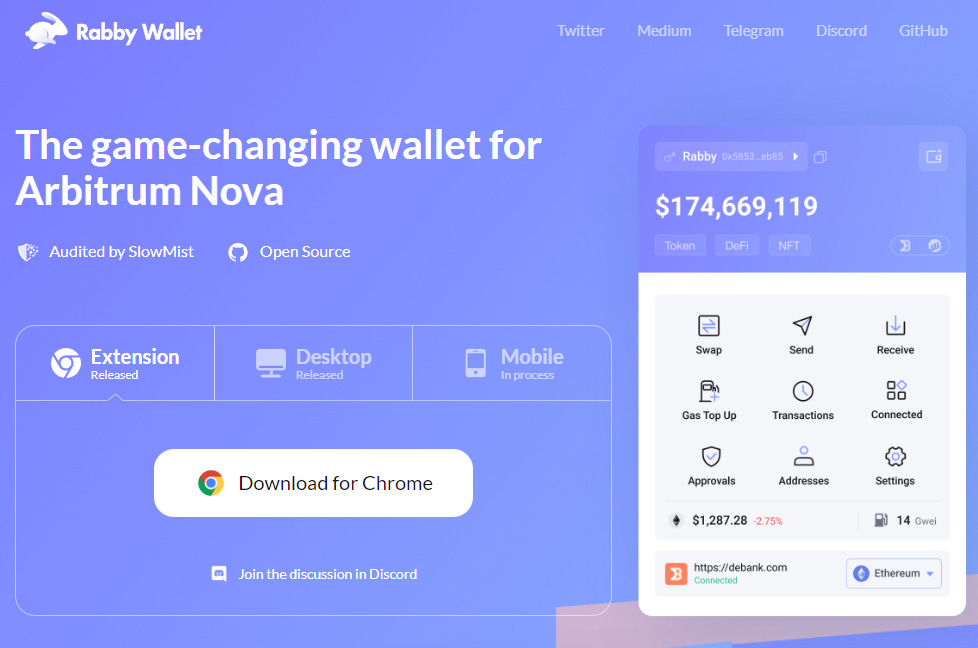
Try the extension and compare flows before migrating your main accounts; small differences matter. I recommend keeping a separate hot wallet for daily dapp interactions to compartmentalize risk. For cold storage use hardware wallets and connect them when signing large transactions for better safety. For folks interested, here’s a place to download and explore it further: rabby wallet — remember to verify the extension ID and only install from trusted sources, because supply chain risks in browser extensions are a real concern.
Okay, so check this out—
I’ll be honest: this wallet isn’t perfect for node validators or custodial setups. But if you trade NFTs, farm, or bridge tokens regularly, its guardrails matter more than flashy analytics dashboards. I noticed less accidental approvals during my tests, and that lowered my stress while moving funds. So my final feeling is cautiously optimistic; I’d move smaller funds and then scale usage as confidence grows, while keeping an eye on updates and community audits because software evolves quickly and trust is earned over time.
Common questions
Is this wallet safe for everyday DeFi?
Yes for many users — it’s designed to reduce accidental approvals and add clarity to transactions. Still, treat any hot wallet as risky for large balances: use hardware devices for big amounts and split funds across accounts. It’s very very helpful to test with small transfers first.
How do I verify I installed the right extension?
Check the extension ID, read the official release notes, and download only from known sources (browser stores or the project’s official page). Also scan community channels and recent audits if you want more assurance — oh, and always double-check permissions before approving anything.